

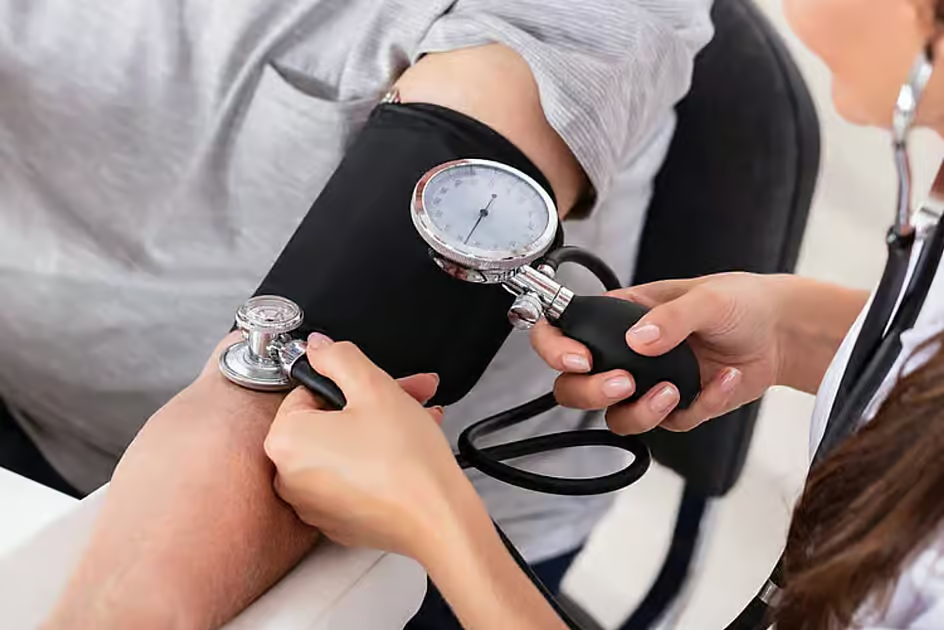
High blood pressure is often described as a “silent killer”, but UAE doctors say many people are unaware that it can also quietly damage the kidneys long before symptoms appear.
Healthcare specialists across the UAE are urging residents to undergo regular blood pressure checks and kidney screening, warning that delayed diagnosis can lead to chronic kidney disease, kidney failure and other serious complications.
According to the World Health Organization, around 600 million adults worldwide — approximately 44 per cent of people living with hypertension — do not know they have the condition.
Stay up to date with the latest news. Follow KT on WhatsApp Channels.
Doctors say the problem is equally relevant in the UAE, where many cases are detected only during routine check-ups or after complications have already developed.
Dr Abdul Jabbar, Consultant Internal Medicine – Endocrinology at Medcare Al Safa, explained that sustained high blood pressure can gradually damage the tiny blood vessels inside the kidneys that are responsible for filtering waste and excess fluid from the body.
“When blood pressure remains elevated over a prolonged period, these delicate vessels can become damaged and less efficient, reducing the kidneys’ ability to function properly. Over time, this may lead to chronic kidney disease and, in severe cases, kidney failure.”
He noted that one of the biggest challenges is that both hypertension and early kidney disease frequently develop without noticeable symptoms.
“Many individuals feel completely well and may not experience symptoms until considerable damage has already occurred.”
Clear diagnosis and awareness gap
Medical experts say a lack of symptoms, combined with demanding work schedules and low screening rates, means many residents are living with undiagnosed hypertension.
Highlighting the scale of the issue, Dr Ganesh Dhanuka, a specialist in internal medicine and nephrology at International Modern Hospital Dubai, pointed to both global and local data.
“The latest World Health Organization estimate indicates that approximately 600 million adults—around 44% of people living with hypertension globally—are unaware that they have it.”
He added that UAE studies also reveal significant gaps in awareness.
“The UAE National Health Survey reported that 28.8% of adults had raised blood pressure or were taking hypertension medication.”
According to Dr Dhanuka, while different studies examine different populations and periods, they consistently show that undiagnosed and inadequately controlled hypertension remains a significant public health concern.
Dr Jabbar said younger adults are not immune to the condition, despite a common perception that it primarily affects older people. Risk factors such as obesity, diabetes, smoking, chronic stress and a family history of cardiovascular disease can increase the likelihood of developing hypertension at any age.
Routine checks can prevent serious complications
Doctors say many patients only discover they have high blood pressure during routine medical examinations, underscoring the importance of preventive healthcare.
Dr Azeem Ahamed, specialist nephrologist at Aster Clinic, Bur Dubai, said clinicians frequently encounter patients whose hypertension is identified late.
“In clinical practice, we continue to encounter patients whose hypertension is detected only during routine health checks or after complications have developed.”
He said the absence of symptoms often leads people to underestimate the need for regular monitoring.
“Busy lifestyles, irregular health screening, and the absence of symptoms often lead people to underestimate the importance of checking their blood pressure.”
Doctors recommend regular blood pressure checks for everyone aged 40 and above. Younger individuals with diabetes, obesity, a family history of hypertension or kidney disease, cardiovascular disease, or those who smoke should also undergo periodic screening.
“Patients with established hypertension should have annual kidney function testing, including serum creatinine, estimated GFR, and urine albumin assessment.”
Warning signs such as persistent high blood pressure, swelling in the feet, frothy urine, blood in the urine or declining kidney function should prompt immediate medical attention. However, specialists stress that many people with early kidney disease remain completely symptom-free.
Dr Ahamed said early detection remains the most effective tool for preventing irreversible damage.
“A simple blood pressure check and kidney assessment today can prevent a future dialysis discussion — early detection gives us the opportunity to protect kidney function before irreversible damage occurs.”
Source: Khaleej Times