

The Future Investment Initiative (FII) Institute, a global nonprofit foundation with an investment arm and one agenda, Impact on Humanity, today published the fifth edition of the FII PRIORITY Compass.
Findings reveal cost-of-living to be a leading global concern, followed by poverty and inequality and unemployment, reflecting the continued impact of economic pressures on everyday decisions and families’ aspirations for the future.
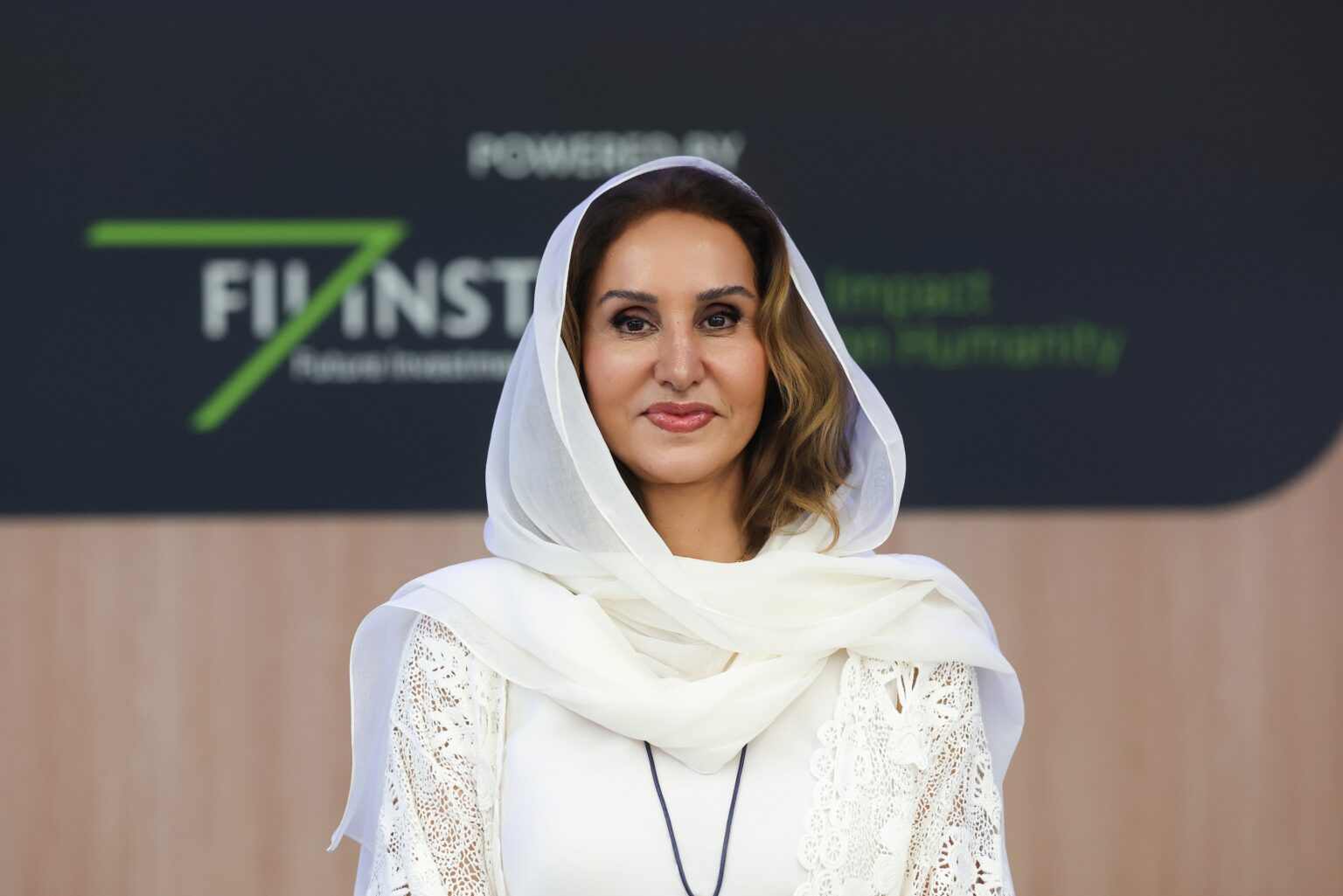
HRH Princess Dr. Maha Bint Mishari Bin Abdulaziz Al Saud, CEO of FII Institute, said: “The FII PRIORITY Compass reveals shared concerns and unmet needs, with cost-of-living topping global priorities for five years. It should be a go-to resource for investors and decision-makers, guiding policies and capital toward opportunities that generate returns and improve lives.”
The Compass also reveals a significant gap in outlook between the Global South and the Global North. While 47% of respondents in the Global South believe the world is heading in the right direction, only 15% in the Global North share that view.
HRH Dr Maha Al Saud – CEO FII Institute
On artificial intelligence, the responses reflect a growing recognition of its benefits alongside widespread calls for regulation. While 60% said AI has improved their lives, 85% call for global rules to regulate its use.
This variation also extends to the acceptance of robots in the home, with 61% of respondents expressing comfort with robots performing household tasks, compared with 53% when it comes to caring for the elderly.
Regarding children’s safety in the digital environment, 51% support requiring verified parental consent for children under the age of 16 to use social media platforms, while 40% support banning children’s accounts.
The survey also highlights the relationship between financial pressures and family decisions, with 57% of respondents reporting that living expenses and debt represent barriers to having the number of children they desire.
On media and public trust, findings show that a majority of respondents trust traditional media as sources of accurate information, despite 75% perceiving them as politically biased.
Source: Riyadh Daily