

Every few months, someone tells me that AI will make investment managers obsolete. My work sits at the intersection of quantitative strategy, technology, and capital markets, so people often expect me to agree. What I believe is that AI will redefine investing so deeply that the job will look completely different within a decade, and the managers who understand this early will hold a real advantage over those who resist it.
The strengths of AI in investing are practical, and anyone dismissing them has stopped paying attention. A well-built system can process information at a scale no human team can match. It can scan thousands of instruments across global markets at once and analyze alternative data, such as shipping volumes or consumer transaction activity, to find relationships that might take an analyst months to uncover. It also removes a major weakness from the decision-making process: emotion. In markets, fear and greed often do more damage than a lack of information.
That last point deserves attention. Across markets, one thing is clear: many retail investors struggle not because they lack access, but because they lack discipline, proper risk management and a clear understanding of what they are trading. Part of that comes down to limited education about financial instruments and the risks attached to them. Some also rely too heavily on old portfolio rules, including treating the 60/40 model as a universal answer.
A systematic approach built on back-tested quant trading strategies can reduce the impulse to chase quick returns or panic during volatility.
So the case for AI is strong. But the case for removing humans entirely is much weaker. Models learn from history, and markets keep producing situations with no precedent in the data. A model is strongest when market conditions resemble the data it was trained on. When something genuinely new happens, whether in regulation or in market structure, it takes human judgment to read the context and decide what the numbers actually mean. Risk, in particular, rarely fits cleanly into a dataset. Some of the most serious risks in this industry have appeared in places no model was ever trained to look.
Accountability matters even more. When a family office or an institutional investor allocates capital, the people behind that decision want to sit across the table from someone who owns it. Capital is rational, but allocation is emotional. This is why trust remains central to finance. A model can identify an opportunity, but it cannot build a relationship. People invest with those they trust. A model can produce an impressive return profile, yet it cannot explain a drawdown to a client, and it cannot take responsibility when something goes wrong. Responsibility sits with a person, always.
This thinking shapes how we built Vista Axis Global. The technology brings the scale and the discipline. Humans decide which strategies deserve capital and set every risk limit. When a model stops performing the way the research said it would, a person makes the call to switch it off. That division of work is the entire operating philosophy of the fund. The firms that win with AI will not be the ones that simply use the most tools. They will be the ones with the best governance around those tools.
The real competitive edge in this next phase comes from how well a firm combines machine intelligence with human judgment. Managers relying purely on intuition will struggle against machine scale. Managers relying purely on automation will carry risks that only reveal themselves when it is too late to act. The advantage belongs to those who know exactly where the machine is strong and exactly where it needs human oversight.
AI will keep improving, and every serious fund will need a clear view on how to use it. The role of the investment manager will shift toward designing systems and answering for their results. That version of the job demands more judgment than the old one, and I welcome it. AI will not remove the human from investing. It will expose which humans had real judgment all along.
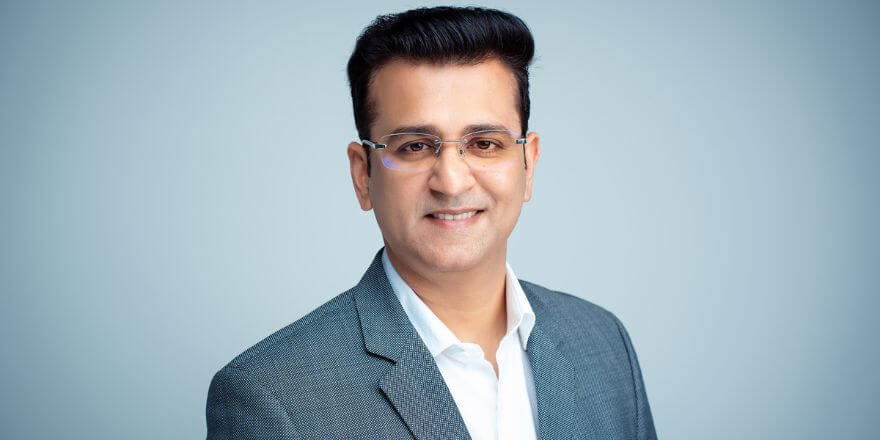
This opinion piece is authored by Jeetu Kataria, Co-founder, Vista Axis Global
Source: Tahawul Tech