

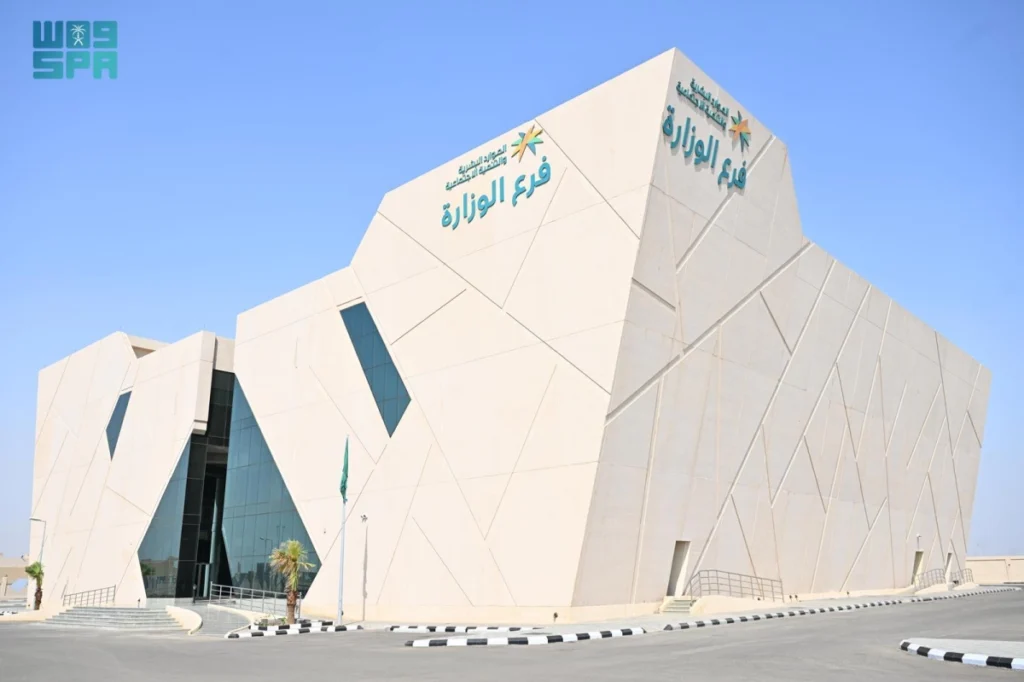
JEDDAH — The Ministry of Human Resources and Social Development has introduced a new electronic service enabling individuals to request the transfer of foreign workers’ services from private sector establishments to individuals, subject to a set of regulations and conditions.
The initiative is intended to regulate the transfer of workers from private sector establishments to individuals for employment in domestic professions, Okaz newspaper reported quoting the ministry sources.
The ministry stipulated that foreign worker’s work permit must be valid and that the worker must not be employed in a high-level profession, including educational, technical, healthcare, and specialist occupations, as well as professions that have been fully Saudized. It also requires that the requested position be classified as a domestic profession.
According to the ministry, applicants must submit an electronically certified waiver from the previous employer, authenticated by the chamber of commerce, along with a salary certificate for the new employer or a bank statement demonstrating financial capability.
A copy of the worker’s residency permit bearing the expatriate’s fingerprint and signature must also be provided. In addition, the application must specify the intended domestic profession and include the new employer’s details, including their name and national ID number.
The launch of this service coincides with the mandatory implementation of the Wage Protection Program for domestic workers, which ensures that wages are paid through approved channels, safeguards the rights of both parties in the contractual relationship, and promotes greater transparency and compliance across the labor market.
The ministry also stated that supporting documents must be uploaded electronically in PDF, JPG, JPEG, PNG, DOCX, or XLSX formats, with the size of each file not exceeding 3 MB.
It is noteworthy that an annual fee of SR9,600 shall be imposed for each additional domestic worker exceeding the permitted limit of four domestic workers for a Saudi citizen and two for a resident. Exceptions are granted in humanitarian cases, including individuals with disabilities and those suffering from chronic or serious illnesses.
Source: Saudi Gazette