
Close Menu
    Facebook X (Twitter) Instagram
    KSA News TodayKSA News Today
    Facebook X (Twitter) Instagram
    • KSA
    • Business
    • Technology
    • Sports
    • Lifestyle
    KSA News TodayKSA News Today
    • KSA
    • Business
    • Technology
    • Sports
    • Lifestyle
    KSA

    Lexicon of the Desert: How Camel Names Chronicle Arab Heritage

    Editorial TeamBy Editorial TeamJune 21, 2026
    Share Facebook Twitter Pinterest Copy Link Telegram LinkedIn Tumblr Email
    Share
    Facebook Twitter LinkedIn Pinterest Email

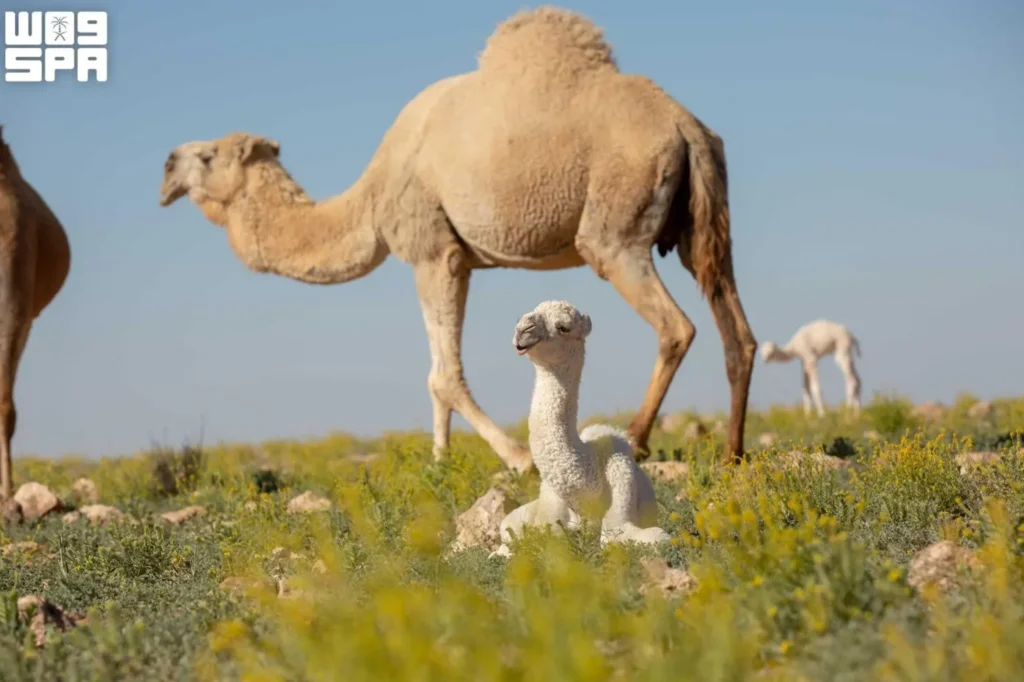
    Arab culture preserves a rich linguistic heritage that meticulously chronicles every stage of a camel’s life, with a vast vocabulary tracking the animal from birth to old age and reflecting both linguistic precision and an enduring bond between the region’s people and their herds.

     Transcending mere survival, camels stand as a paramount symbol of Arabian civilization, embodying profound cultural dimensions passed down through millennia.

     Historically, camels commanded unparalleled status. Endowed with extraordinary traits, they adapt to unforgiving climates, endure immense thirst, and navigate trackless terrain. These biological marvels were the indispensable engines of early travel, driving trade caravans across vast deserts while providing essential milk, meat, hides, and wool.

     Renowned for their endurance, heavily laden caravans could traverse up to 60 kilometers a day, serving as the primary commercial arteries of the Arabian Peninsula long before modern transport. Closely tied to this legacy is the ancient tradition of tribal branding, in which unique marks are seared into the hide to clearly denote ownership and lineage.

     Today, the camel remains a towering symbol of authenticity, patience, and generosity. Vibrant heritage festivals and research programs continually revive this nuanced terminology and its associated arts, actively preserving national identity.

     From the tender al-hiwar (newborn calf) and al-bakrah (young female) to the venerable al-harsh (mature male) and al-fatir (aging female), this enduring lexicon stands as a living testament to the unbreakable bond between the Arab people and the majestic animals that have shaped their history.

    Source: Riyadh Daily

    Previous ArticleFederation of Chambers’ Paris visit instrumental in further bolstering Saudi-French trade and investment ties
    Next Article 2 million students sit for final exams on Sunday in Makkah, Madinah, Jeddah, and Taif schools

    Related Posts

    ITU: Saudi Arabia Pioneering Strategic Partner in Shaping Sustainable Digital Future for 77 Years

    June 28, 2026

    Hotan Greenhouses Deploy Smart Agricultural Tech to Secure Food Supply in Southern Xinjiang

    June 28, 2026

    Integrated Development Projects Accelerate Madinah’s Growth as Global Investment Hub

    June 27, 2026
    Latest Posts

    Bielsa shoulders responsibility as Uruguay exits World Cup

    Iran launches drone attack on Bahrain as ship struck in Strait of Hormuz

    ITU: Saudi Arabia Pioneering Strategic Partner in Shaping Sustainable Digital Future for 77 Years

    Belgium finds its rhythm with five-goal rout to top Group G

    Latest News

    ITU: Saudi Arabia Pioneering Strategic Partner in Shaping Sustainable Digital Future for 77 Years

    June 28, 2026

    Hotan Greenhouses Deploy Smart Agricultural Tech to Secure Food Supply in Southern Xinjiang

    June 28, 2026

    Integrated Development Projects Accelerate Madinah’s Growth as Global Investment Hub

    June 27, 2026
    Facebook X (Twitter) Instagram Pinterest
    • KSA
    • Business
    • Technology
    • Sports
    • Lifestyle
    2026. All rights reserved.

    Type above and press Enter to search. Press Esc to cancel.