
Close Menu
    Facebook X (Twitter) Instagram
    KSA News TodayKSA News Today
    Facebook X (Twitter) Instagram
    • KSA
    • Business
    • Technology
    • Sports
    • Lifestyle
    KSA News TodayKSA News Today
    • KSA
    • Business
    • Technology
    • Sports
    • Lifestyle
    • Contact us
    KSA

    China’s solar push reshapes traditional ways of life on Tibet’s high plateau

    Editorial TeamBy Editorial TeamNovember 8, 2026
    Share Facebook Twitter Pinterest Copy Link Telegram LinkedIn Tumblr Email
    Share
    Facebook Twitter LinkedIn Pinterest Email

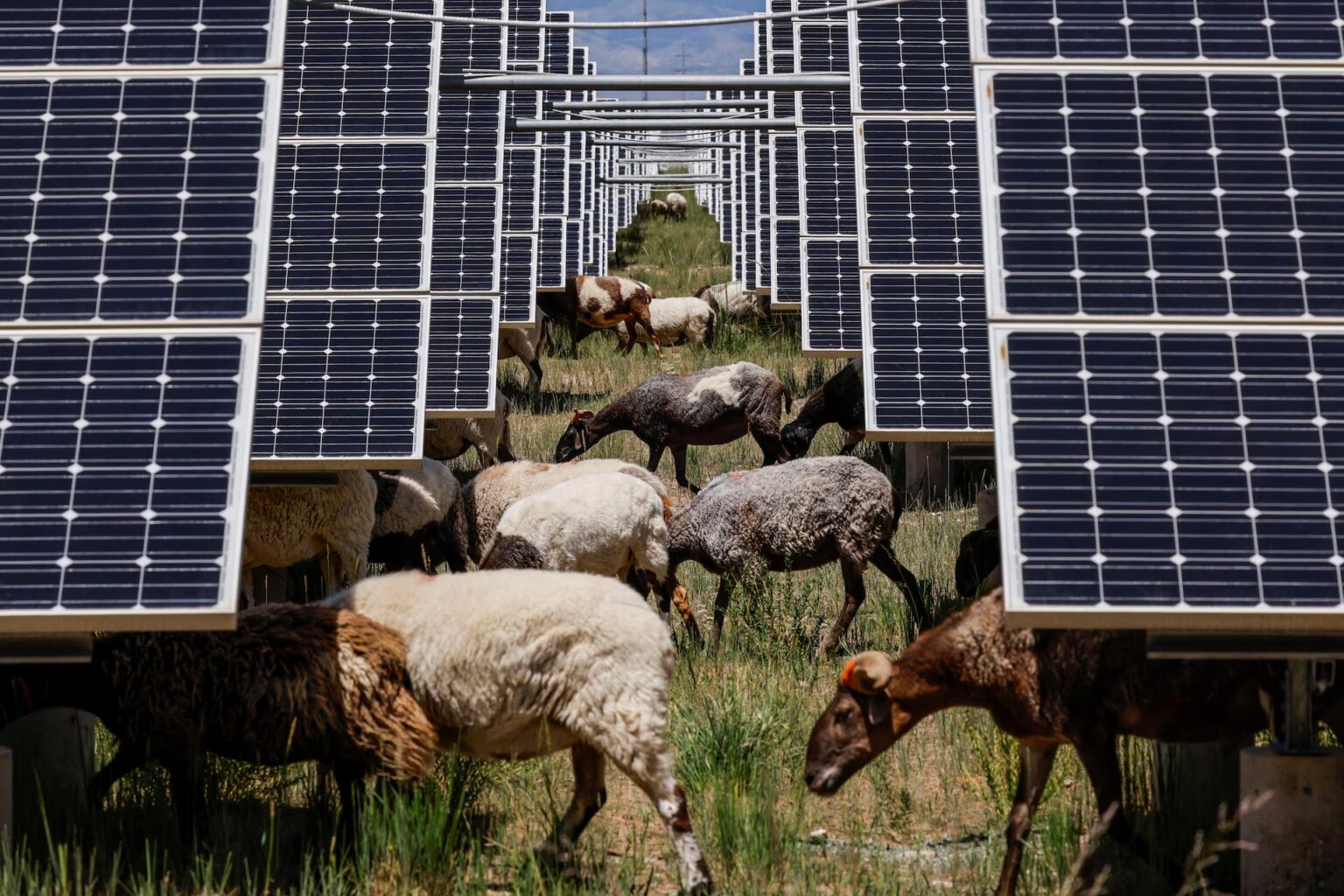
    Life has become unexpectedly easier and more lucrative for some shepherds on the world’s highest plateau, after China began carpeting the area ​with solar panels in a drive to diversify its energy mix.

    “It has made grazing much easier for us,” said Li Yonglin, 25, one of those ‌allowed to freely graze their sheep in a fenced solar park in Gonghe, a county in the northwestern province of Qinghai.

    By July this year, state media said, 6,330 households in five townships had benefited from 56 grazing ​sites in Hainan, a culturally Tibetan area that encompasses Gonghe, but did not disclose how many got grazing access.

    Such early signs suggest China’s projects sprawling over hundreds of acres on the vast Qinghai-Tibet plateau are boosting incomes for some, though researchers and others warn they are also ​eroding traditional ways of life.

    One study, estimated the region, sometimes called “the roof of the world”, where nomadic communities have grazed livestock for millennia, holds almost half of China’s solar energy potential, ​making it a focal point for renewable energy efforts.

    Solar overtook coal in July as the country’s biggest source of installed power capacity, and authorities plan to expand wind and solar power generation by a further 53% in the next five years.

    The complex Li visits, sprawling over 148,000 acres (60,000 hectares), uses grazing sheep to reduce mowing costs, said Cao Jun, a safety supervisor for a State Power Investment Corporation (SPIC) project in Hainan.

    It leads ​to a “win-win situation”, he told Reuters, with power generated by the plant sent nationwide to cities such as Beijing, the capital, and the commercial hub of Shanghai.

    “Life has changed tremendously,” said Wen Yujun, who now finds himself able to manage a herd of 700 to 800 largely on his own.

    “I never could have imagined it ​before,” added the 43-year-old, who estimated his annual income had risen eight-fold to about 80,000 yuan.

    Source: Riyadh Daily

    Previous ArticleOpenAI implements stricter safety measures for ChatGPT
    Next Article Saudi students set record with over 37,000 research projects in National Gifted Olympiad

    Related Posts

    Two Falcons Sold for SAR177,000 at 2026 Falcons Auction

    November 9, 2026

    Cruise ship pianist rescued from sea after nine hours in Pacific Ocean

    November 9, 2026

    Saudi Arabia offers condolences to Egypt over fatal train collision

    November 9, 2026
    Latest Posts

    Jiu-jitsu legend Renzo Gracie takes equity stake in UJITSU, joins as global ambassador

    Two Falcons Sold for SAR177,000 at 2026 Falcons Auction

    Six more nations, GCC and Muslim World League condemn Houthi attacks on Saudi Arabia

    Cruise ship pianist rescued from sea after nine hours in Pacific Ocean

    Latest News

    Two Falcons Sold for SAR177,000 at 2026 Falcons Auction

    November 9, 2026

    Cruise ship pianist rescued from sea after nine hours in Pacific Ocean

    November 9, 2026

    Saudi Arabia offers condolences to Egypt over fatal train collision

    November 9, 2026
    Facebook X (Twitter) Instagram Pinterest
    • KSA
    • Business
    • Technology
    • Sports
    • Lifestyle
    • Contact us
    2026. All rights reserved.

    Type above and press Enter to search. Press Esc to cancel.