

Autonomous AI agents are reshaping enterprise IT and cybersecurity by analysing events, investigating anomalies and executing routine tasks at machine speed. Growing adoption has also intensified concerns around identity, data sovereignty, regulatory compliance and the level of authority granted to AI systems.
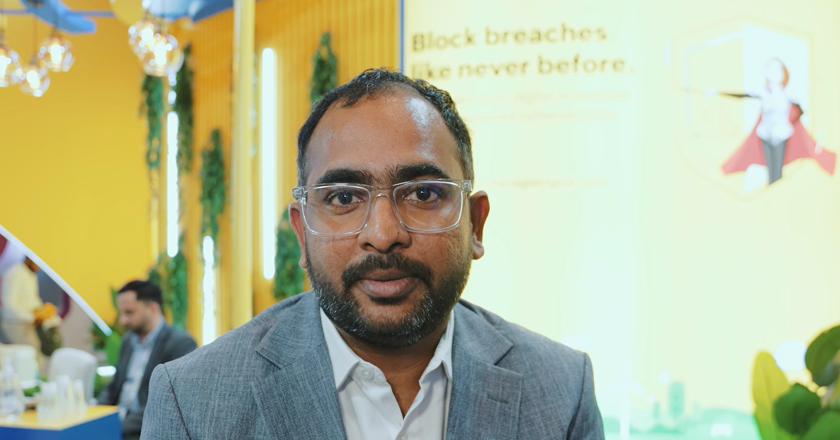
In an interview with TahawulTech.com, Praneeth Vanteru, Technical Evangelist at ManageEngine, explains how Zia Agents support IT service management and security operations through unified organisational context. He also discusses ManageEngine’s UAE data centre, the convergence of IT and cybersecurity, rising identity risks and the importance of maintaining human oversight as enterprise automation expands.
How are ManageEngine’s Zia Agents shaping the next phase of autonomous, AI-powered IT and security operations?
Enterprise technology environments have traditionally relied on multiple siloed products, but the industry is moving towards greater platform unification. ManageEngine benefits from having unified context across several technology domains, allowing Zia Agents to perform different functions according to the operational requirement.
Within cybersecurity, Zia Agents can support analysis, correlation, anomaly detection and investigation before acting on identified issues. In IT service management, Level 1 and Level 2 agents can manage many repetitive tasks currently handled by IT teams. This approach enables organisations to automate routine work at scale while giving employees more time to focus on complex operations and strategic priorities.
How are evolving cybersecurity, data protection and AI governance requirements influencing technology investment decisions in the region?
Data protection and localisation requirements have become increasingly important across the region. ManageEngine has responded by launching a UAE data centre, which went live in 2026, helping customers address local data residency and regulatory requirements.
AI governance has also become a major investment consideration. Enterprise discussions have moved beyond what AI can deliver towards how organisations can control its access, authority and actions. ManageEngine’s Zia platform is built on its own large language model, giving the company greater control over what AI agents can do, how much access they receive and which actions they are permitted to take.
How has customer demand for IT management and cybersecurity solutions changed across MENA?
Customers increasingly want integrated platforms that connect IT operations, cybersecurity, identity and service management. Operational performance and cybersecurity can no longer be treated as separate concerns because every application can carry both performance and security implications.
Demand is therefore shifting away from isolated tools towards platforms that provide broader visibility, shared context and orchestration across multiple products. Identity has also become a more prominent customer priority, leading ManageEngine to introduce a new identity and access management solution showcased at GISEC Global 2026.
What emerging cybersecurity trends should organisations in the Middle East be preparing for?
Identity-related threats will become increasingly important as employees, AI agents and large language models interact with enterprise systems in different ways. Organisations must understand who or what is accessing their environments, which permissions have been granted and what actions can be performed.
Greater unification across previously siloed security and IT products will represent another major trend. Vendors capable of orchestrating technologies through integrated platforms will be better positioned to support customers because they can develop a more complete understanding of each organisation’s environment. Enterprises should use AI agents for repetitive and high-volume tasks while maintaining strong governance and human oversight.
Image Credit: ManageEngine
Source: Tahawul Tech